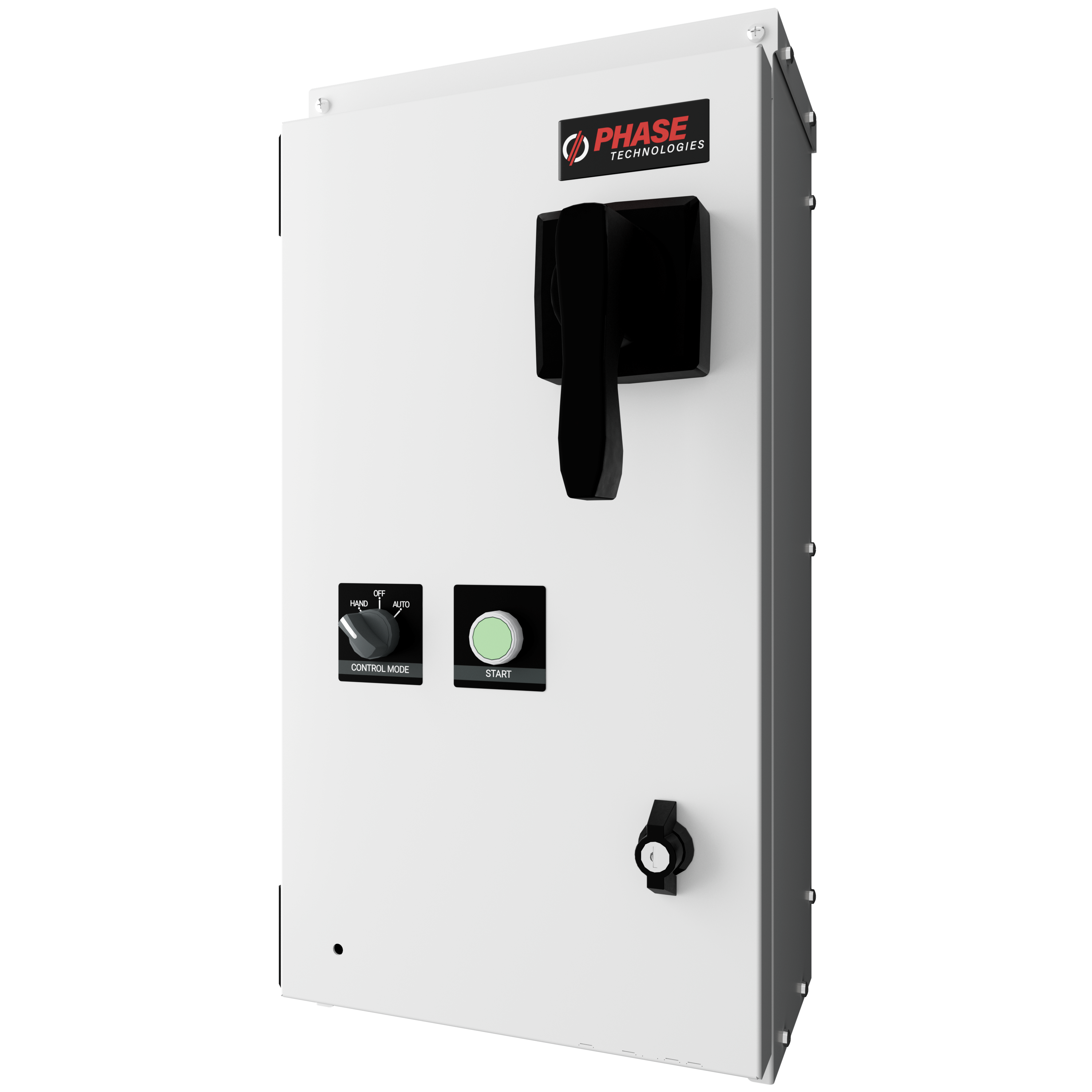
Motor Starters
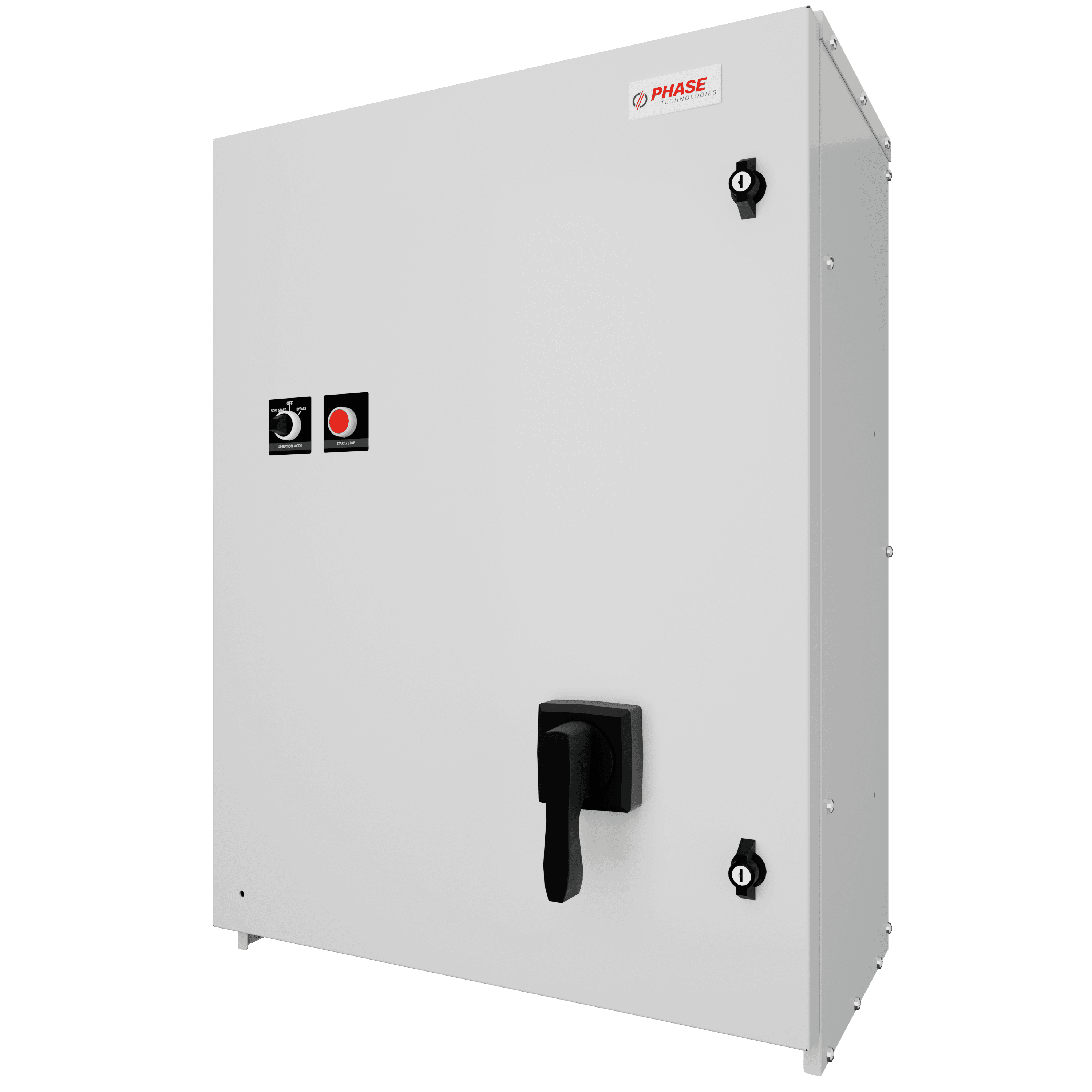
What Are Motor Starters?
A motor starter is a device used to start, stop, and protect an electric motor. Its main purposes are to safely connect/disconnect the motor from the power supply, limit damage from faults and protect the motor from conditions like overcurrent, overload, or phase loss.
Why Use a Phase Motor Starter?
Protect the motor from damage due to overloads, short circuits, or phase loss
Control inrush current during startup to prevent electrical and mechanical stress
Improve safety by providing a reliable means to start, stop, and isolate the motor
Extend equipment life by reducing wear on motors and connected machinery
Comply with electrical codes and standards that require proper motor protection and control
Industry best lead times out of our US manufacturing facility
Best value competitive pricing with U.S. based manufacturing and support
Soft Starter
Purpose: Gradually ramps up motor voltage during startup to reduce inrush current and mechanical shock.
Ideal Applications: Pumps, fans, conveyors, compressors, and other loads where reduced starting stress and smoother acceleration are important.
Protection Level: Typically includes motor overload protection and basic fault protections (such as phase loss or stall detection), but usually relies on external short-circuit protection.
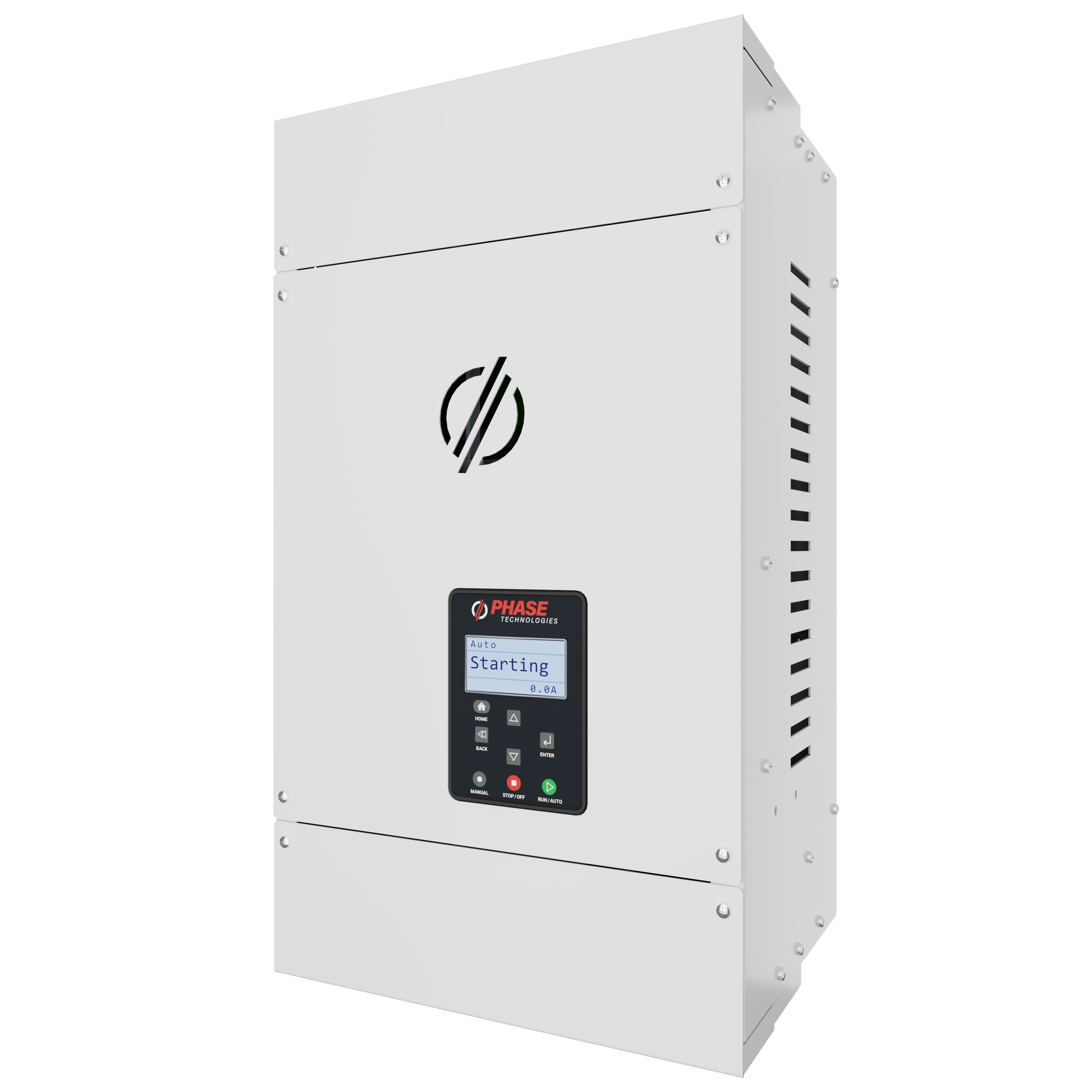
Across the Line Starter
Purpose: Applies full line voltage to the motor immediately for simple, fast starting with high starting torque.
Ideal Applications: Small motors or rugged loads where high starting current is acceptable, such as simple pumps, machine tools, and compressors with minimal mechanical constraints.
Protection Level: Provides basic overload protection and short-circuit protection (via contactor and overload relay), but offers no reduction in starting current or mechanical stress.